Houston Psychiatrist
  • Houston Psychiatrist
  • Schedule Now
  • Team
  • Online Psychiatrist
  • Mental Health Tips
  • Resources
  • Fees
  • Office Policies
  • Forms
  • Services
    • Houston Ketamine Therapy
    • ADHD
    • Anxiety
    • Depression
    • Therapy Houston
    • Pediatric Psychiatrist

Houston Psychiatry Tips

Your Family Psychiatrist is a trusted resource for individuals searching for mental health answers. Our articles help you understand mental illness, substance abuse treatment, and what to expect when working with licensed mental health professionals. 

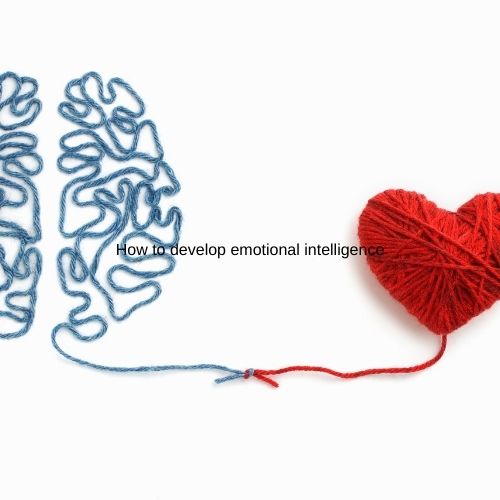
How to Develop Emotional Intelligence

4/6/2021

0 Comments

 
Emotional Intelligence Expert
A Guide to Understanding and Improving Your Emotional Skills

Have you ever said something in the heat of the moment and regretted it later? Have you ever felt overwhelmed by emotions and didn’t know how to manage them?

You’re not alone.

Understanding and managing emotions is a skill, just like driving a car or learning a new language. This skill is called emotional intelligence, and the good news is: you can improve it at any age.

What Is Emotional Intelligence?
Emotional intelligence (EQ) is the ability to:
  1. Recognize your own emotions
  2. Understand how those emotions affect your thoughts and behavior
  3. Recognize the emotions of others
  4. Respond to emotions in a healthy and helpful way

People with high emotional intelligence are usually better at staying calm under pressure, handling stress, managing relationships, and making thoughtful decisions.

According to psychologist Daniel Goleman, who helped popularize the term, emotional intelligence includes five main areas:
  • Self-awareness
  • Self-regulation
  • Motivation
  • Empathy
  • Social skills

Why Is Emotional Intelligence Important?
Emotional intelligence isn’t just about feelings. It affects every area of life, from your relationships to your career.

Here are a few important statistics that highlight why emotional intelligence matters:
  • A study from TalentSmart found that 90% of top job performers have high emotional intelligence, while only 20% of bottom performers do.
  • According to research in the journal Emotion, people with high EQ report lower levels of anxiety and depression.
  • In schools, programs that teach emotional skills lead to an 11% improvement in academic achievement, according to a large review published in Child Development.

Clearly, emotional intelligence makes a real difference. So how do you build it?

1. Practice Self-Awareness
Self-awareness is the foundation of emotional intelligence. It means recognizing what you’re feeling and understanding how those emotions affect your thoughts and actions.

Tips to Improve Self-Awareness:
  • Label your emotions: When you feel something strongly, take a moment and name it. Are you angry? Disappointed? Embarrassed?
  • Keep a journal: Write down how you felt during the day and why. Over time, you’ll spot patterns in what triggers certain feelings.
  • Ask for feedback: Trusted friends, partners, or coworkers can help you see yourself more clearly.

Did you know? The average person can only name three emotions when asked to describe how they feel: usually happy, sad, and angry. Developing a larger emotional vocabulary improves your ability to handle tough situations more thoughtfully.

2. Learn to Self-Regulate
Once you’re aware of your emotions, the next step is managing them. This doesn’t mean ignoring your feelings. It means staying in control.
Self-Regulation Strategies:
  • Pause before reacting: Count to 10 or take a few deep breaths when upset.
  • Use calming techniques: Try mindfulness, meditation, or progressive muscle relaxation.
  • Reframe your thoughts: Instead of “I can’t handle this,” try “This is hard, but I’ve faced challenges before.”

People with strong self-regulation don’t let emotions hijack their behavior. They respond instead of react.
Example: Think of someone who stays calm during a heated argument. That’s self-regulation in action, and it’s a major part of emotional intelligence.

3. Build Motivation from Within
People with high emotional intelligence don’t just rely on external rewards. They’re motivated by personal goals and values, even when things get hard.

How to Strengthen Motivation:
  • Set meaningful goals: Choose goals that matter to you, not just what others expect.
  • Track progress: Break large goals into small steps and celebrate progress along the way.
  • Remind yourself why you started: When things get tough, reconnect with your “why.”

Statistic: A Harvard Business Review study found that emotionally intelligent people are more resilient and stay focused on long-term goals, even when setbacks happen.

4. Practice Empathy
Empathy means understanding how others feel and showing that you care.

Ways to Build Empathy:
  • Listen more than you speak: Give people space to express themselves without interrupting or judging.
  • Watch for body language: Notice tone of voice, facial expressions, and posture.
  • Put yourself in someone else’s shoes: Try to imagine what it's like from their point of view.

Empathy doesn’t mean you always agree with others, but it helps build trust and connection.

Fun Fact: Brain scans show that people who practice empathy have more activity in the emotional areas of the brain, especially the anterior insula and medial prefrontal cortex.

5. Improve Your Social Skills
Social skills help you work well with others, resolve conflict, and build strong relationships.

Key Social Skills to Practice:
  • Effective communication: Speak clearly and listen actively.
  • Assertiveness: Say what you need without being aggressive or passive.
  • Conflict resolution: Try to find solutions that respect both sides.

Good social skills are linked to better mental health, happier relationships, and even career success.

Statistic: A study in Workplace Health & Safety found that employees with high EQ had better teamwork, less burnout, and higher job satisfaction.

Emotional Intelligence in Real Life: A Short Story
Let’s take a look at two people handling the same stressful situation.
Person A: Gets cut off in traffic, screams at the other driver, and stays angry for hours.
Person B: Feels angry too, but takes a deep breath, reminds herself that the other driver may be having a bad day, and lets it go.

What’s the difference? Emotional intelligence.

Person B recognized the emotion (anger), regulated it (deep breath), showed empathy (considered the other person's situation), and made a choice to move on instead of staying upset.

Can Emotional Intelligence Be Learned?
Yes! Unlike IQ (which stays fairly steady over time), emotional intelligence can grow with effort and practice.

In fact, many schools, companies, and therapists now offer training programs to help people improve their EQ. A study in Frontiers in Psychology found that participants in EQ training showed significant improvements in self-awareness, stress management, and interpersonal communication.

If you're struggling with relationships, managing stress, or expressing yourself, working with a mental health professional, especially a psychiatrist or therapist, can help you build emotional intelligence in a personalized way.

A Few Final Tips to Strengthen Your EQ
  1. Check in with yourself daily – Ask “How am I feeling today?” and “Why?”
  2. Name your feelings out loud – “I feel frustrated because…” helps give you control.
  3. Practice active listening – Focus fully when someone talks instead of planning your reply.
  4. Respond, don’t react – Give yourself a few seconds before answering when emotions are high.
  5. Seek help when needed – Therapy and coaching can accelerate your emotional growth.

A Skill Worth Building
Emotional intelligence isn’t about being “soft” or hiding your feelings. It’s about understanding your emotions, using them wisely, and connecting with others in a healthy, respectful way.

Whether you're a teenager navigating school and friendships, a parent juggling work and family stress, or an adult managing everyday challenges, developing emotional intelligence can improve relationships, reduce stress, and boost well-being.

Remember: no one is born with perfect emotional intelligence. It’s something we all develop over time with practice, patience, and support.

Need help building emotional intelligence?
​At Your Family Psychiatrist, we specialize in helping children, teens, and adults improve emotional skills, strengthen relationships, and live healthier lives. Schedule an appointment today.
Emotional Intelligence Map
0 Comments


Leave a Reply.

    Archives

    April 2026
    March 2026
    February 2026
    November 2025
    October 2025
    September 2025
    August 2025
    July 2025
    June 2025
    May 2025
    May 2023
    April 2023
    March 2023
    January 2022
    December 2021
    June 2021
    May 2021
    April 2021
    March 2021
    February 2021
    January 2021
    December 2020
    November 2020
    October 2020
    September 2020
    August 2020
    July 2020
    April 2020
    February 2016
    September 2015

    Categories

    All
    Addiction
    ADHD
    Anxiety
    Autism
    Binge Eating
    Bipolar
    CBT
    Celebrities
    Counseling
    Depression
    DMDD
    Genetic Testing
    Geriatric Psychiatry
    Houston Psychiatrist
    Insomnia
    Ketamine
    Medication
    OCD
    ODD
    Online Psychiatry
    Physician Burnout
    Postpartum
    Psychiatry
    PTSD
    Reptiles
    Stomach
    Tics
    Tourette

    RSS Feed

Your Houston Psychiatrist

Houston Psychiatrist Hours

M-Th: 8am-6pm
F: 8am-12:00pm

Telephone

281-849-4080
Fax

281-849-4080

Houston Address

12247 Queenston Blvd., Suite D
Houston, TX 77095 
Schedule NOW
Psychiatrist Waiting Rooms
Our Team
  • Houston Psychiatrist
  • Schedule Now
  • Team
  • Online Psychiatrist
  • Mental Health Tips
  • Resources
  • Fees
  • Office Policies
  • Forms
  • Services
    • Houston Ketamine Therapy
    • ADHD
    • Anxiety
    • Depression
    • Therapy Houston
    • Pediatric Psychiatrist